
About Japanese Oolong
Green tea has been grown in Japan for centuries, and when talking about tea in Japan, green teas definitely steal the spotlight. But Japan does produce a few high-quality specialty black and oolong teas as well. What's the difference between these tea types? Japanese green teas are steamed before they have time to oxidize, which preserves their fresh green color and adds vegetal and umami notes. Popular Japanese green teas like Sencha, Bancha, and Gyokuro all undergo this steaming process, also called "killing the green".
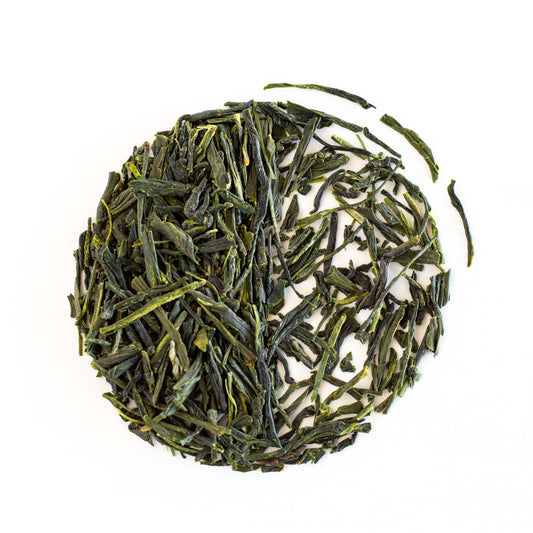
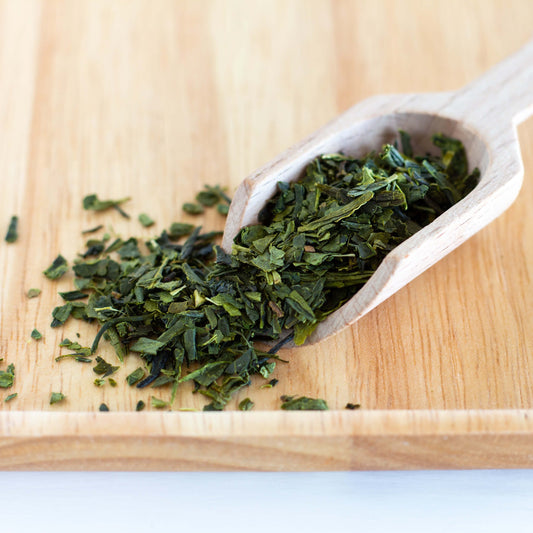
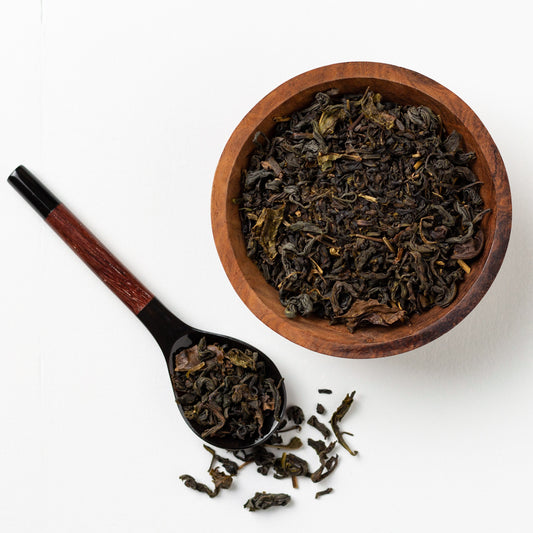
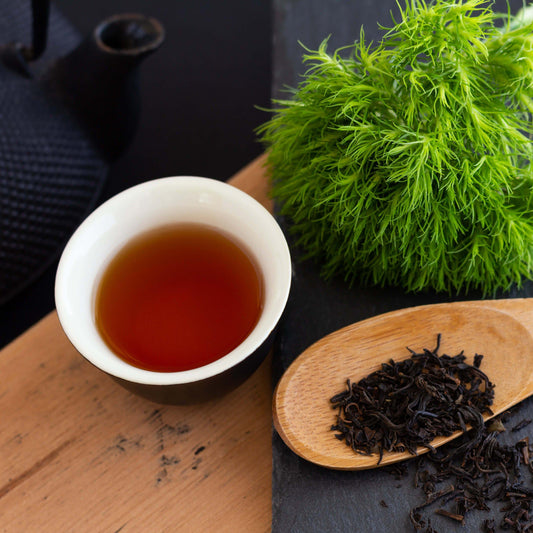
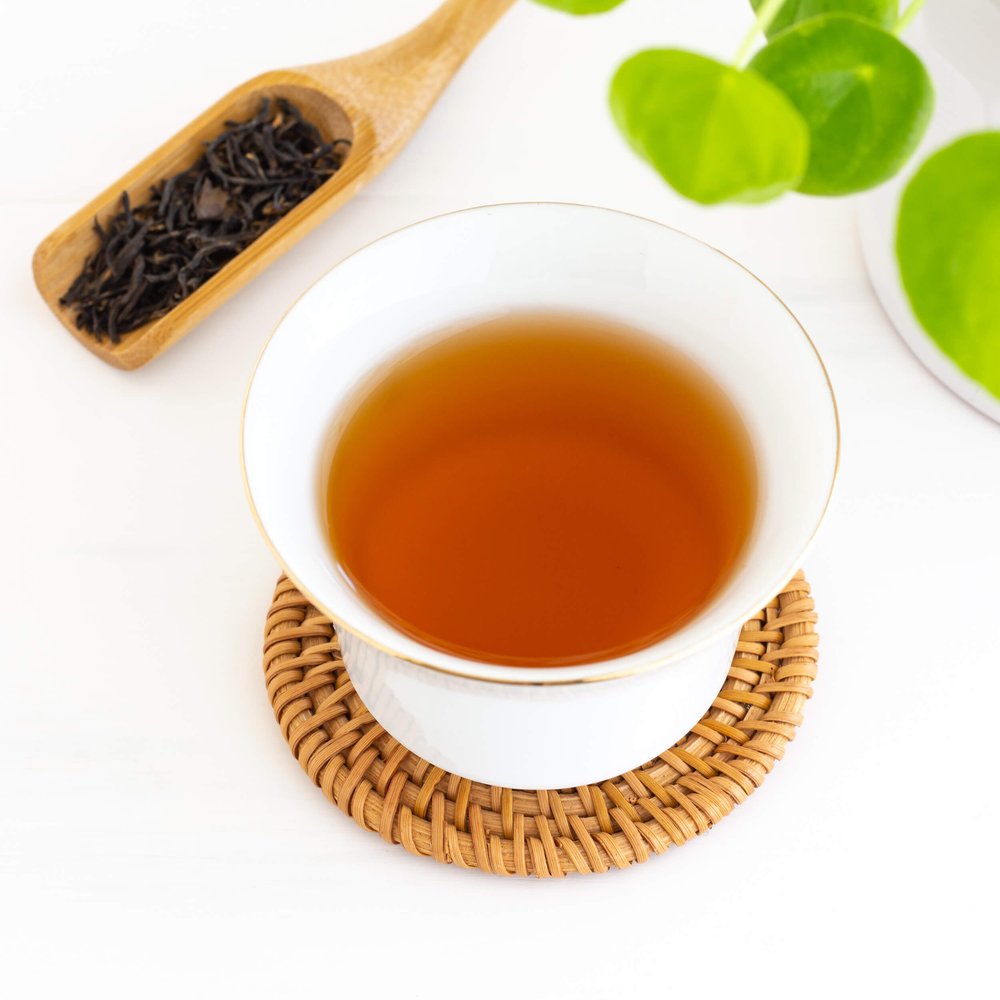
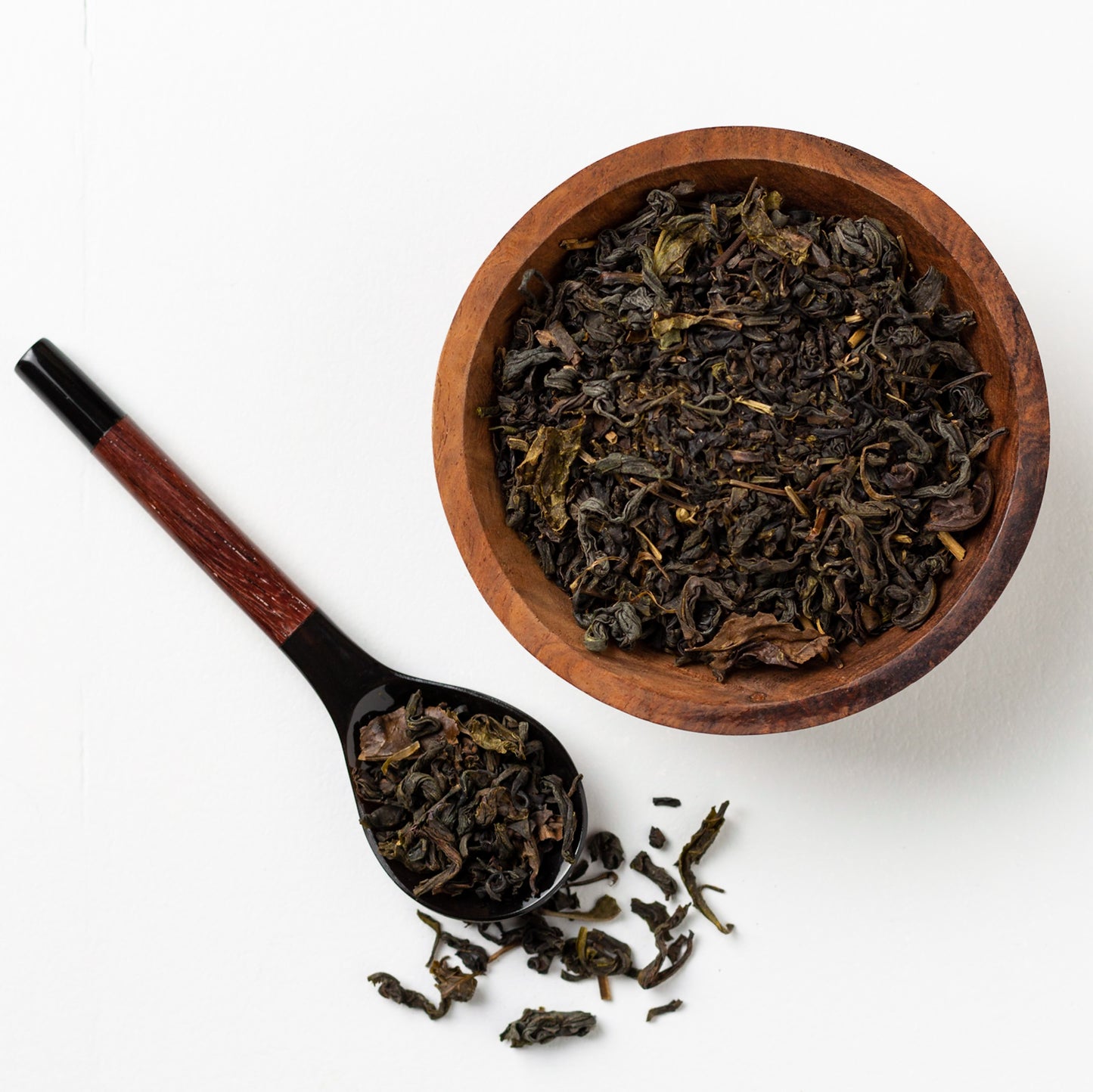
Japanese oolong teas, in contrast, are allowed to partially oxidize before this process is halted. This means that the leaves turn a darker shade of brown, and have different flavor notes than a steamed green tea. Oolong teas tend to fall somewhere in between black teas and green teas in terms of their level of oxidation—this Japanse oolong is on the lighter side, with grey-green tea leaves and a medium body.
Is Oolong Tea Chinese or Japanese?
Oolong teas are grown primarily in China, where they originated. China has a long history of cultivating oolong teas, which often feature prominently in Chinese tea ceremonies. Many of our oolong teas, like Fine Ti Kuan Yin and Milk Oolong, are grown in China.
That said, the general term "oolong" doesn't refer to teas grown in a particular place, but to teas processed using a particular method of partial oxidation. In that sense, oolong teas can be grown and processed in any country that is hospitable to the growth of tea plants, including Japan. Oolong teas are less common in Japan, but the oolongs they do produce are often small-batch, specialty teas.
Japanese Oolong Benefits
Oolong tea boosts energy, helps with focus, and supports digestion.
Japanese Oolong Caffeine Content
Oolong tea contains a moderate amount of caffeine, less than half as much as coffee per cup.
How to Brew Japanese Oolong
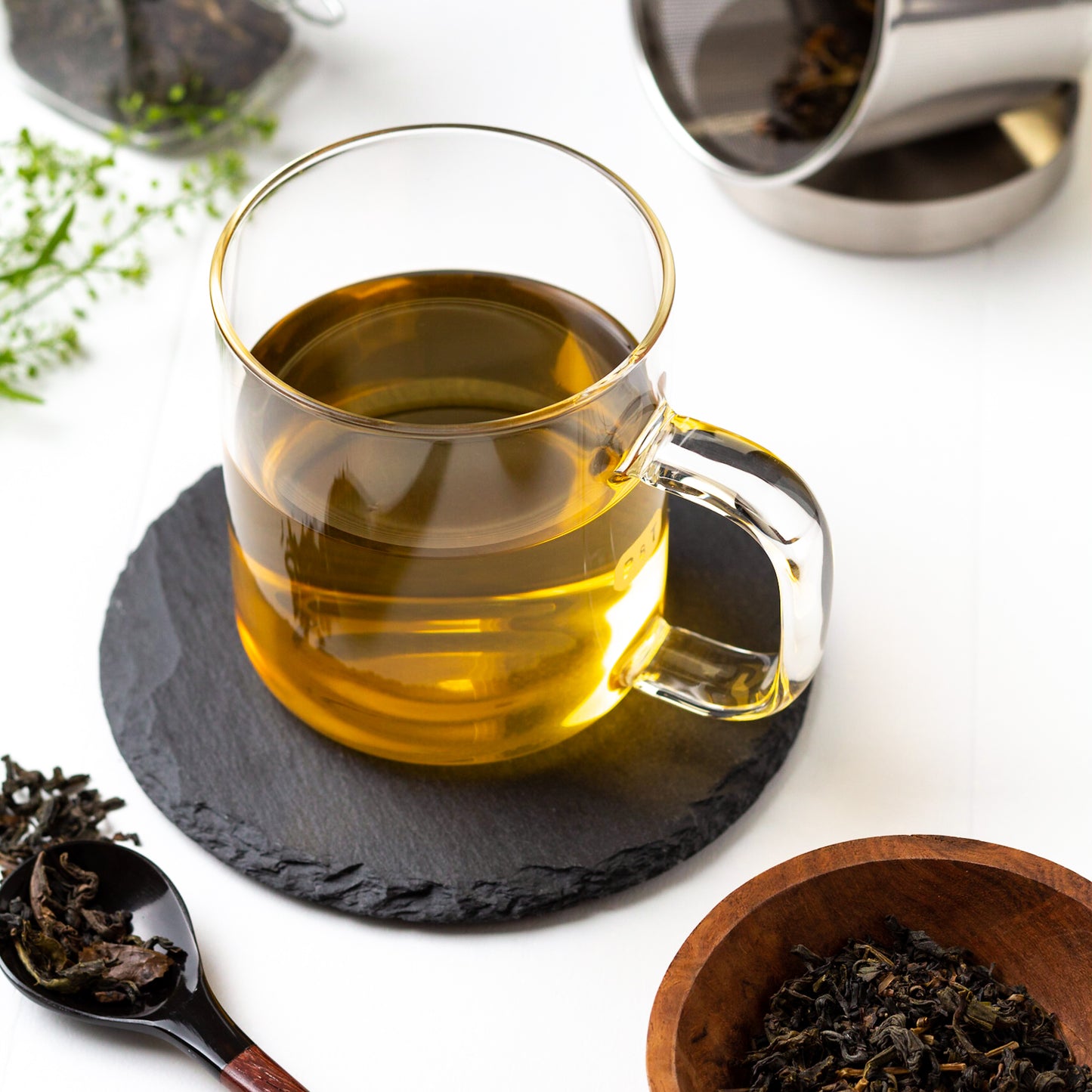
Use 1 level teaspoon per 6 oz. water. Heat water until briskly steaming but not yet boiling, approximately 180 to 190 degrees. Steep for 2 minutes.
We recommend that you use a teapot, tea infuser, or tea filter. These brewing methods give the tea leaves enough room to expand as the tea steeps, resulting in a richer, more flavorful cup. This tea can be infused multiple times.
Our Japanese Oolong
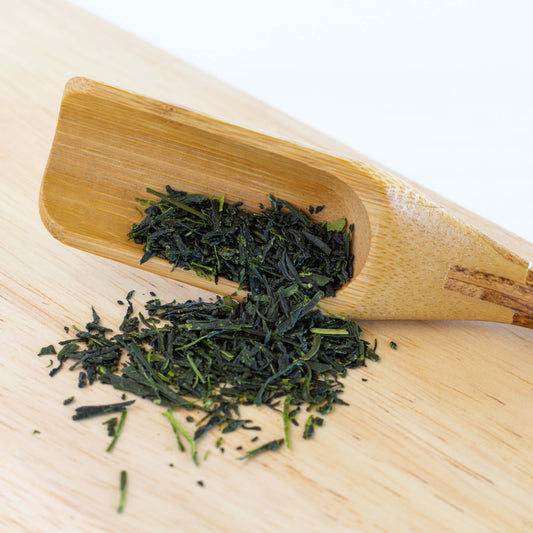
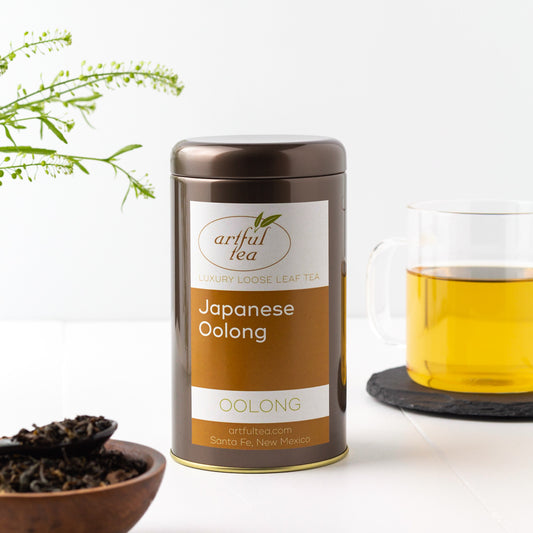
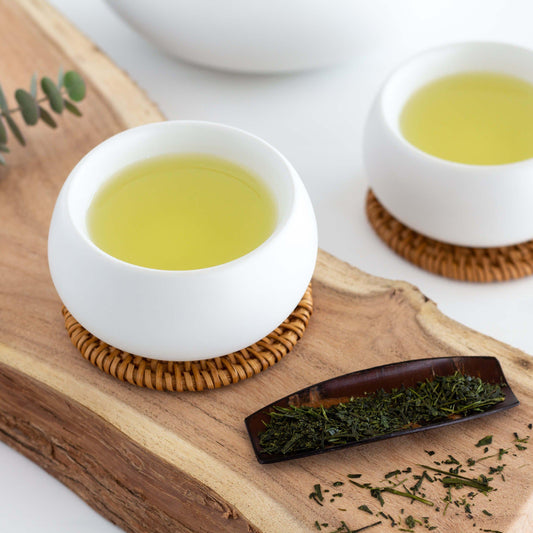
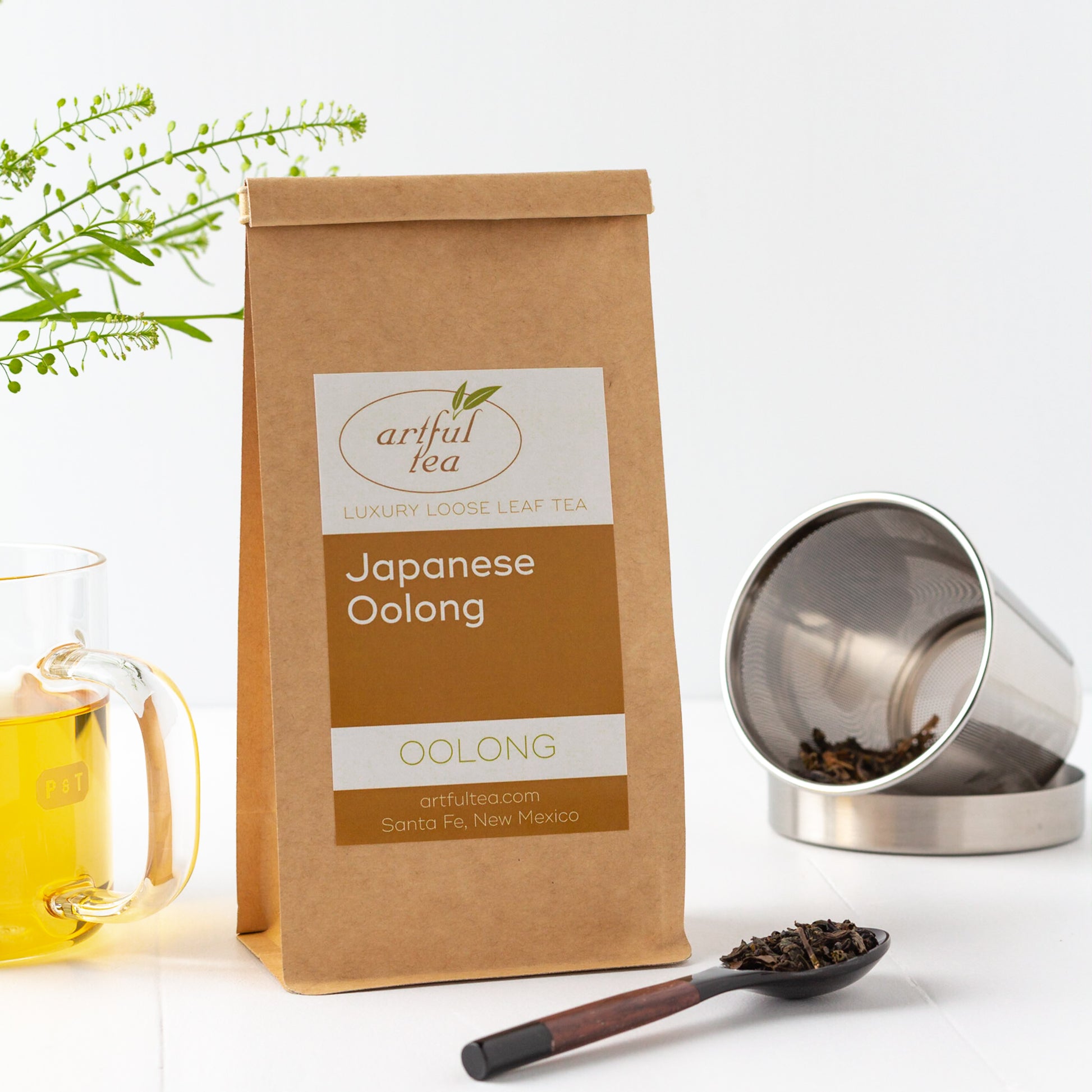
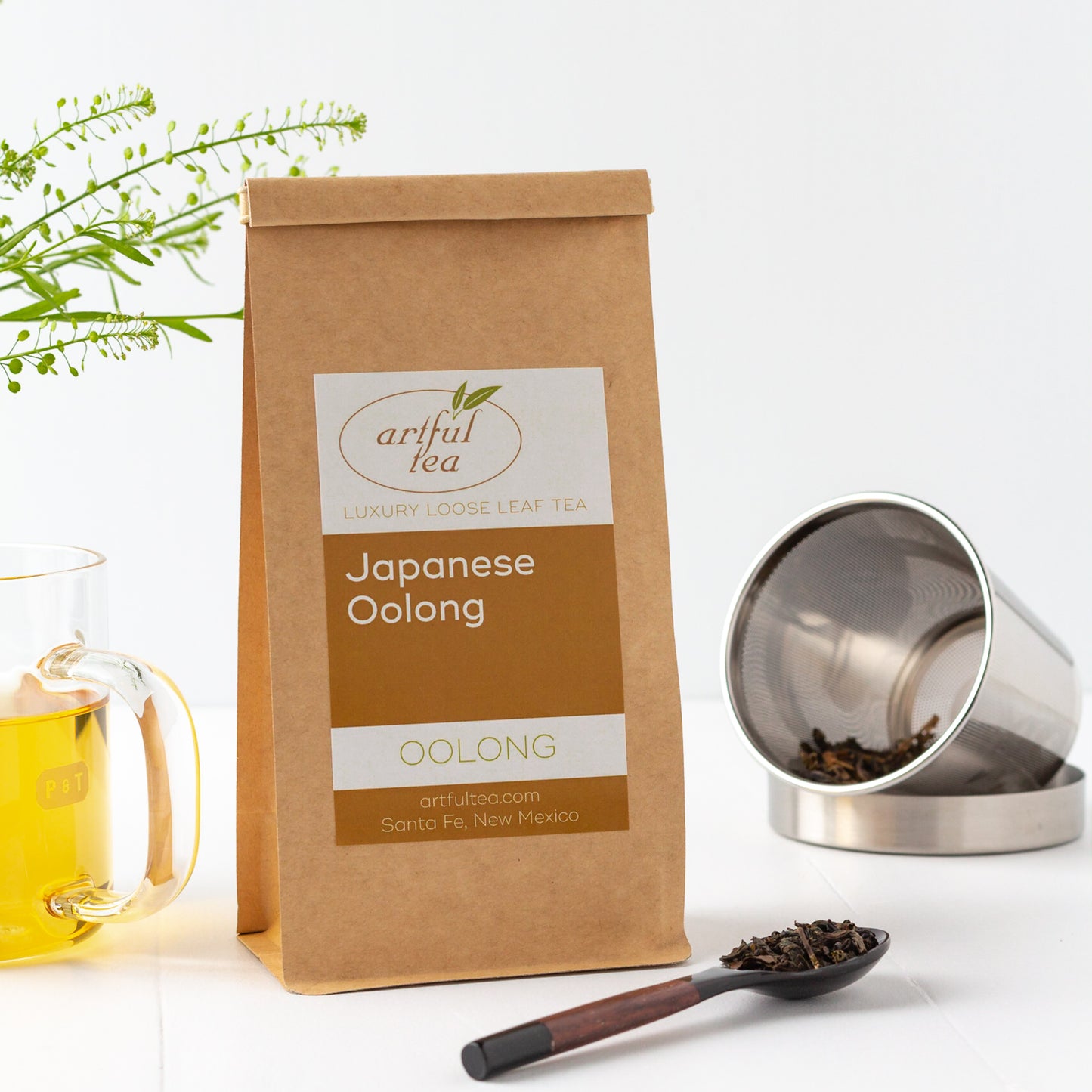
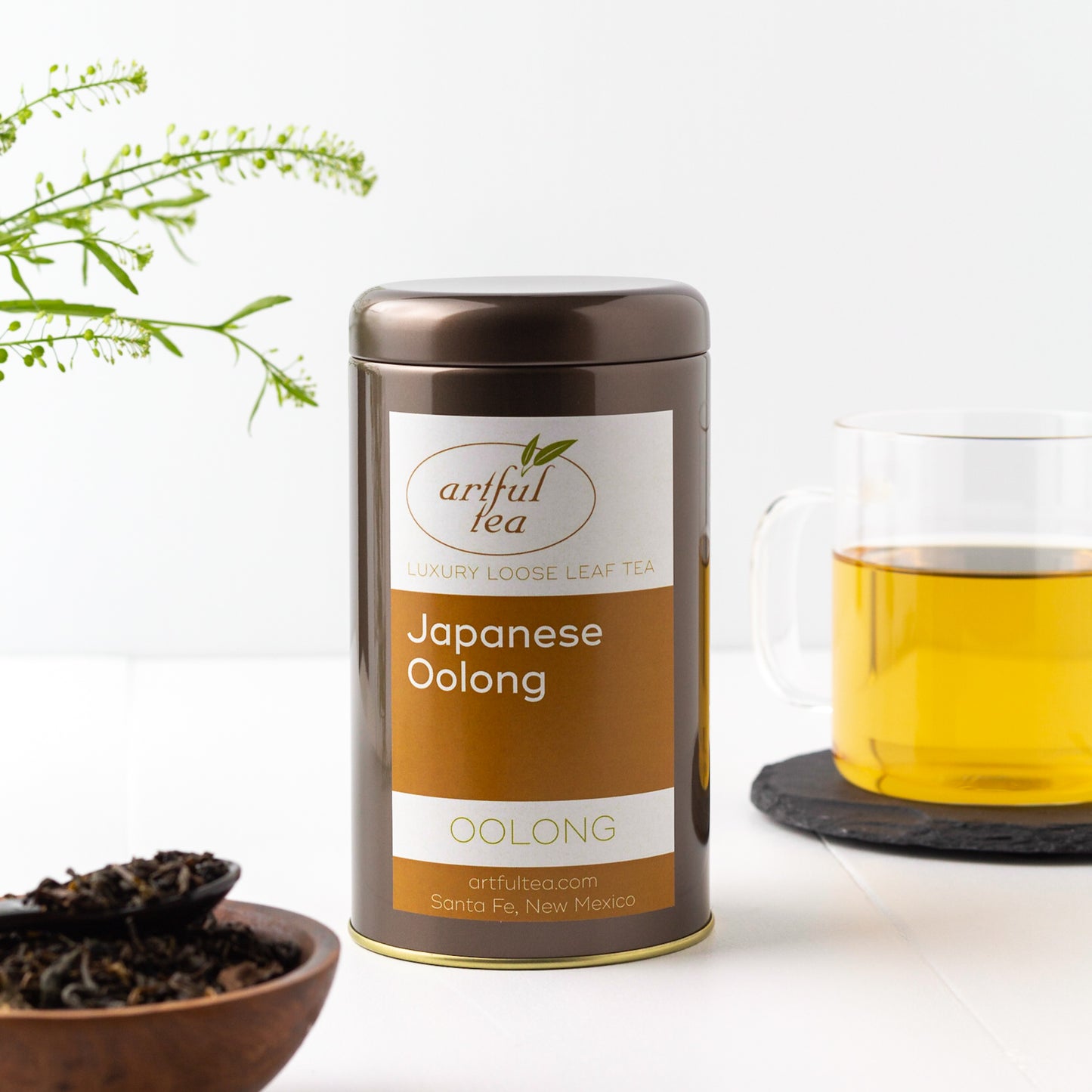
This rare Japanese oolong is light and floral, with a buttery mouthfeel and hints of jasmine and apricot. Our Japanese Oolong is sourced from Shimada in Shizuoka Prefecture, where the Ojiro river and the gentle mountains of the region contribute ideal growing conditions for tea. This spring-harvest tea is lightly oxidized.
Video credit: Sandra Aguirre