
Darjeeling Black Tea: A Premium Black Tea with Superior Flavor
Like all other types of tea, Darjeeling is made from the leaves of the camellia sinensis plant. However, while most Indian teas are produced from a varietal known as camellia sinensis var. assamica, Darjeeling is produced from a Chinese varietal known as camellia sinensis var. sinensis. This specific varietal was brought from China to India by the British in the 19th century. Because of its particular varietal and unique location, Darjeeling tea has many different characteristics than traditional Indian black teas grown at lower altitudes from native plants.
Prized for its unique character, aroma, and flavor, the finest Darjeeling tea is extremely expensive, with demand consistently outpacing supply. The small leaves grow slowly and are hand-plucked in a labor-intensive process. Similar to other famous regional goods like champagne or parmesan, only tea grown in the Darjeeling region of India is technically allowed to be sold as Darjeeling tea. The Board of India places a certification mark and logo onto chests of Darjeeling so consumers will know the product they are purchasing is authentic.
Darjeeling teas will vary in flavor depending upon the weather, the garden or estate where it is grown, and the "flush" or harvesting season within a year. Darjeeling has three main flushes when fresh leaves are gathered. First flush, also known as spring flush, begins in early March and continues into early May. Our First Flush Darjeeling is an example of a classic first flush tea with a light, floral flavor and astringent bite.
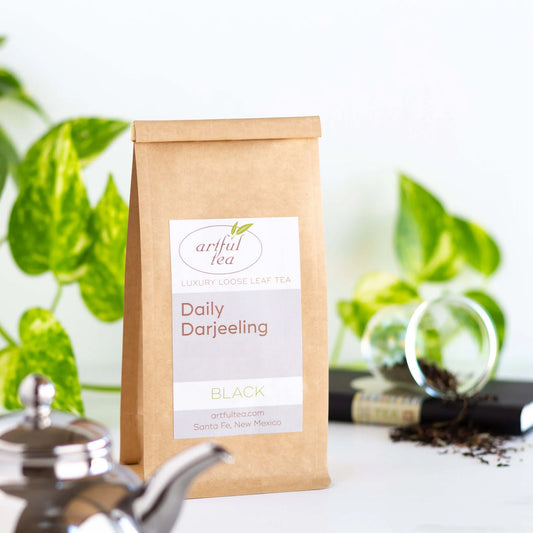
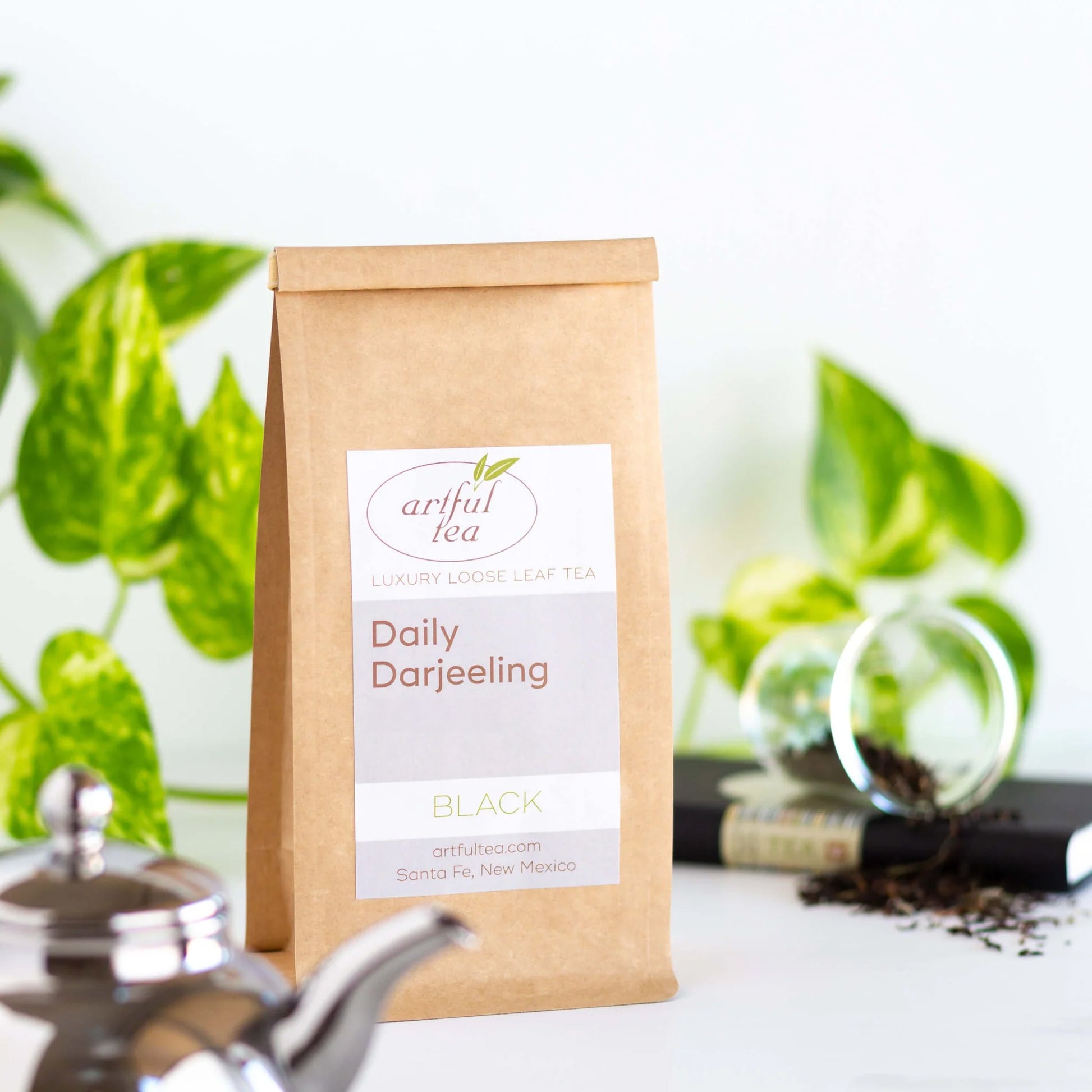
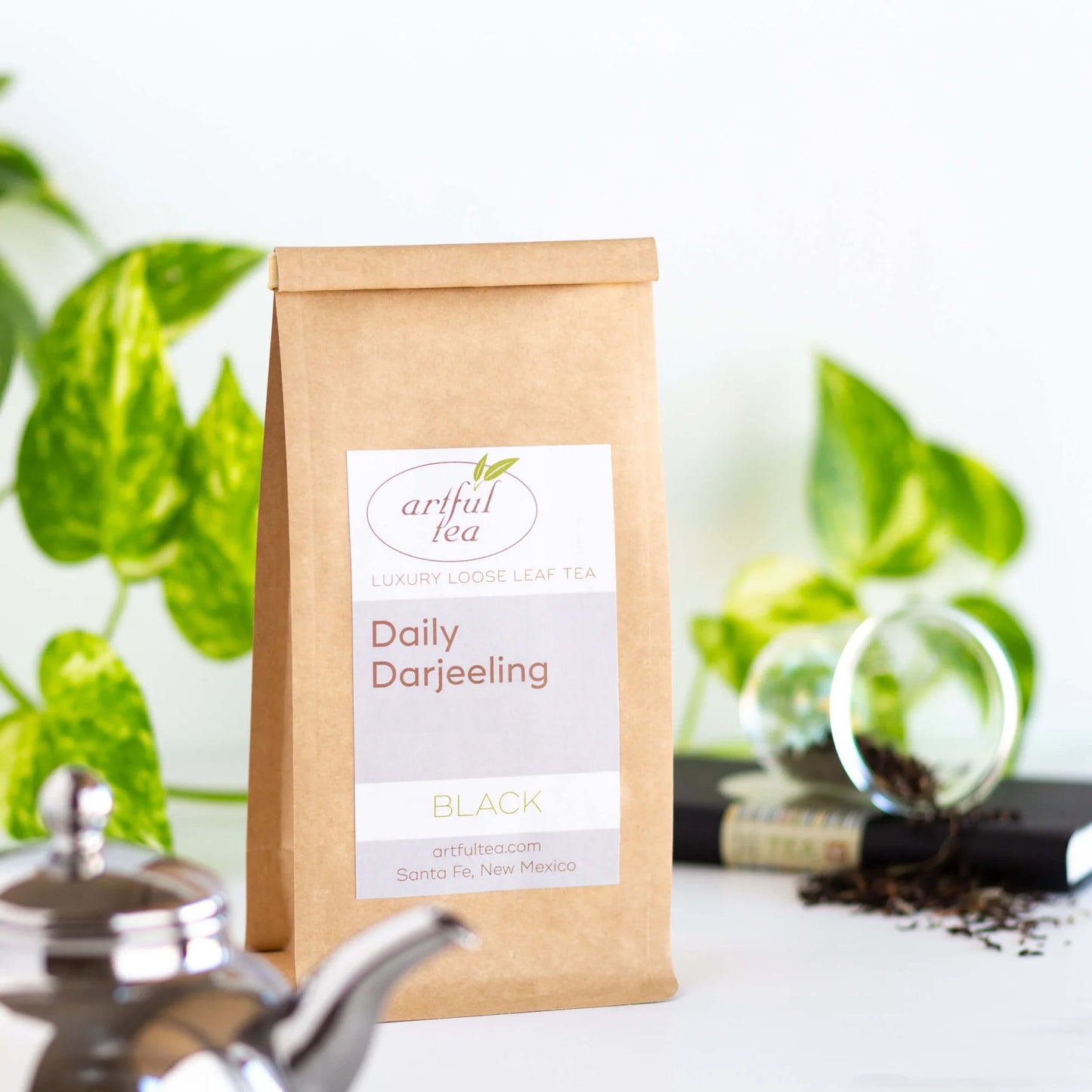
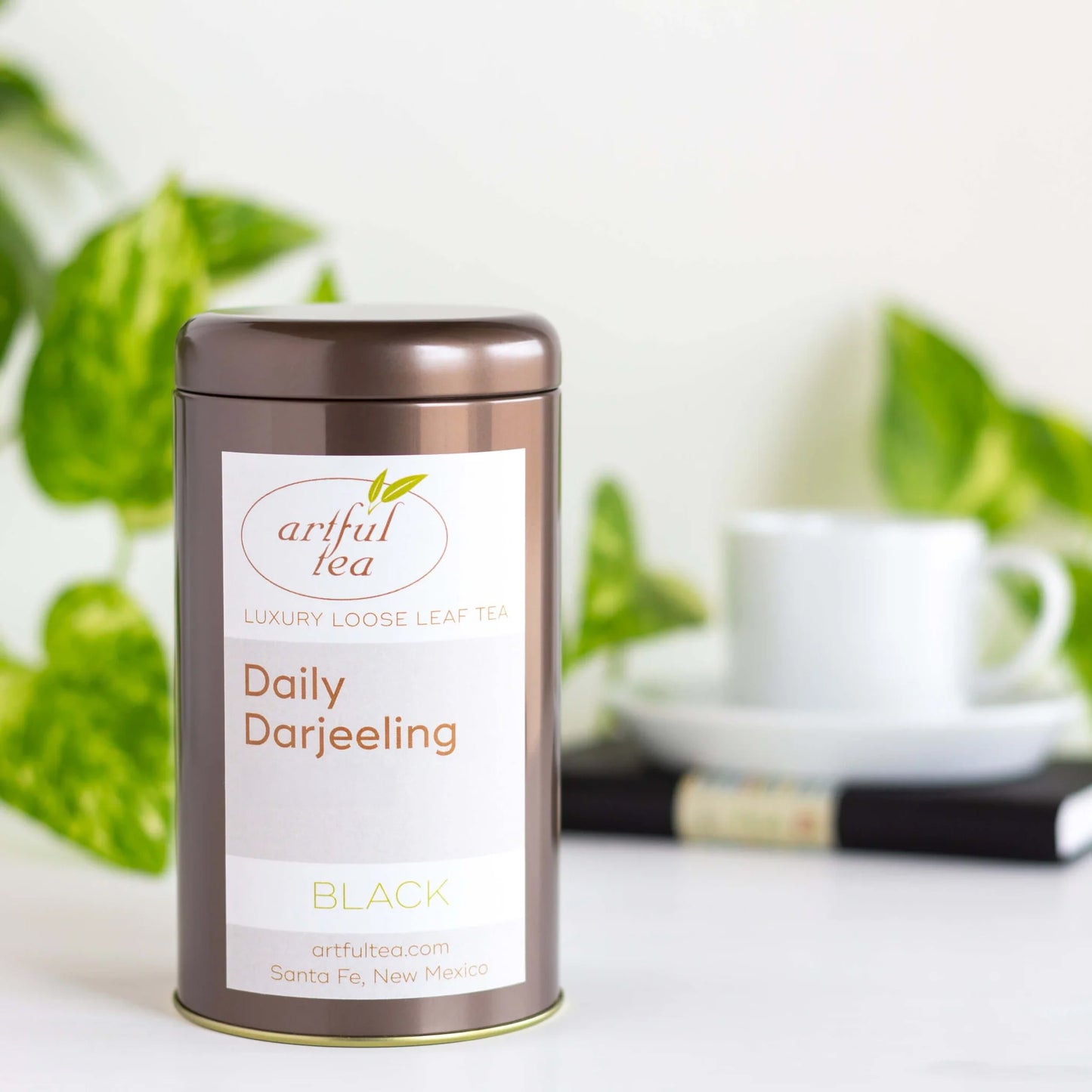
The second flush begins in May and lasts until the Monsoon rains come in June. Second flush Darjeelings are the most common variety of Darjeeling, and are what most people are familiar with when they talk about Darjeeling tea. Second flush Darjeelings typically have a slightly darker and more robust flavor, as characterized by our Daily Darjeeling. In October, when the rains have ceased, the third or autumn flush season lasts until the plants go dormant for the winter.
Tea made from the leaves of each flush will vary considerably, although all share similar general characteristics. Darjeeling tea is graded on a scale based on size and quality. SFTGFOP (Super Fine Tippy Golden Flowery Orange Pekoe) is the highest grade of Darjeeling tea, while tea “dust,” including the fine powder that is often found in commercial tea bags, is the lowest grade on the scale. Our Daily Darjeeling has a grade of FTGFOP1 (Finest Tippy Golden Flowery Orange Pekoe 1).
Is Darjeeling a Black Tea?
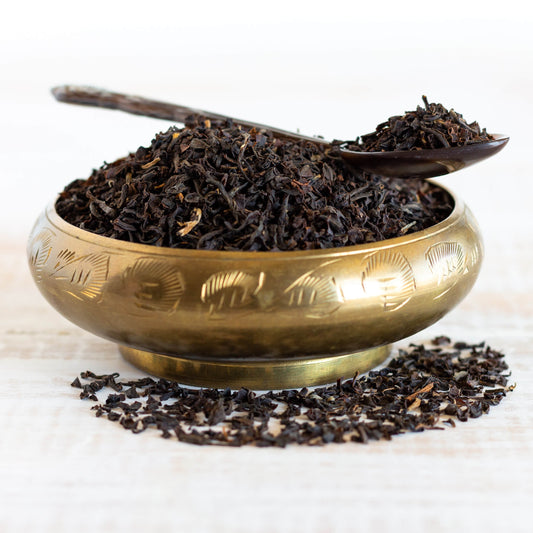
Yes, Darjeeling is a black tea. This means that the leaves are fully oxidized, which gives the tea leaves a darker color and the brewed tea a full body. Like other black teas, Darjeeling is made from the camellia sinensis tea plant, from which other types of tea, like green tea and white tea, are also produced.
Our Daily Darjeeling
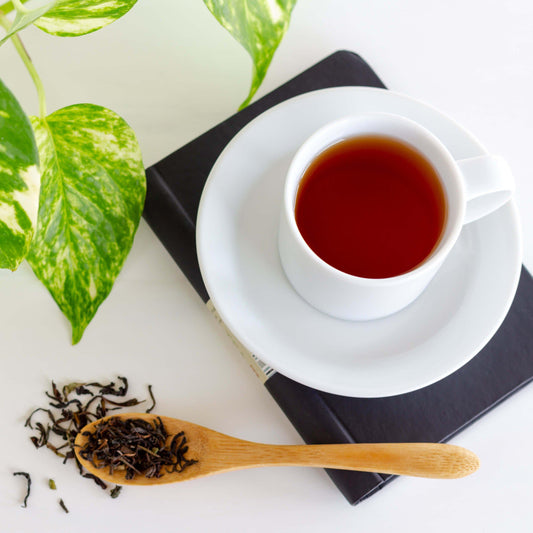
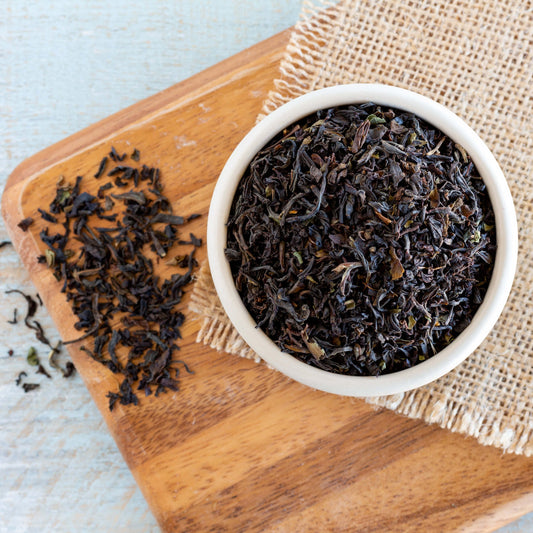
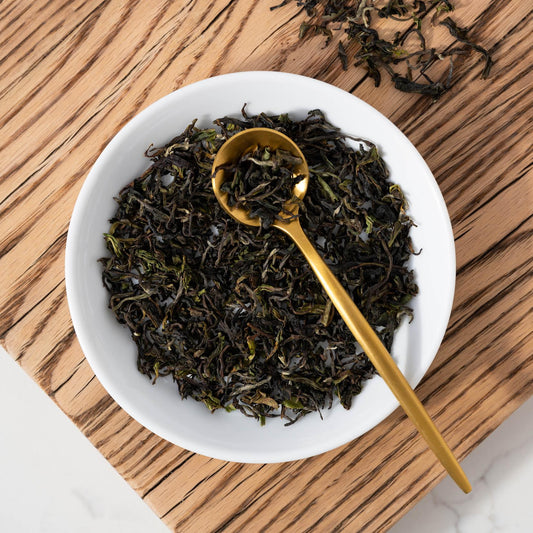
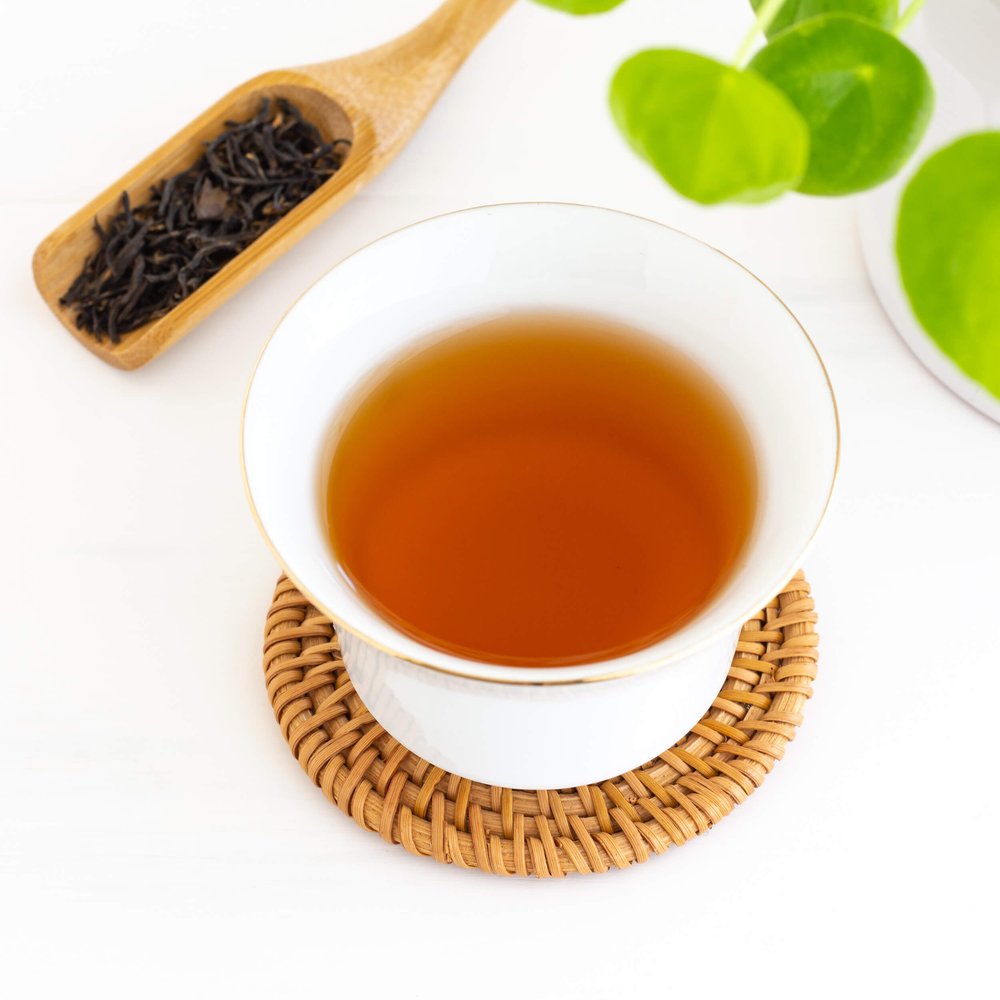
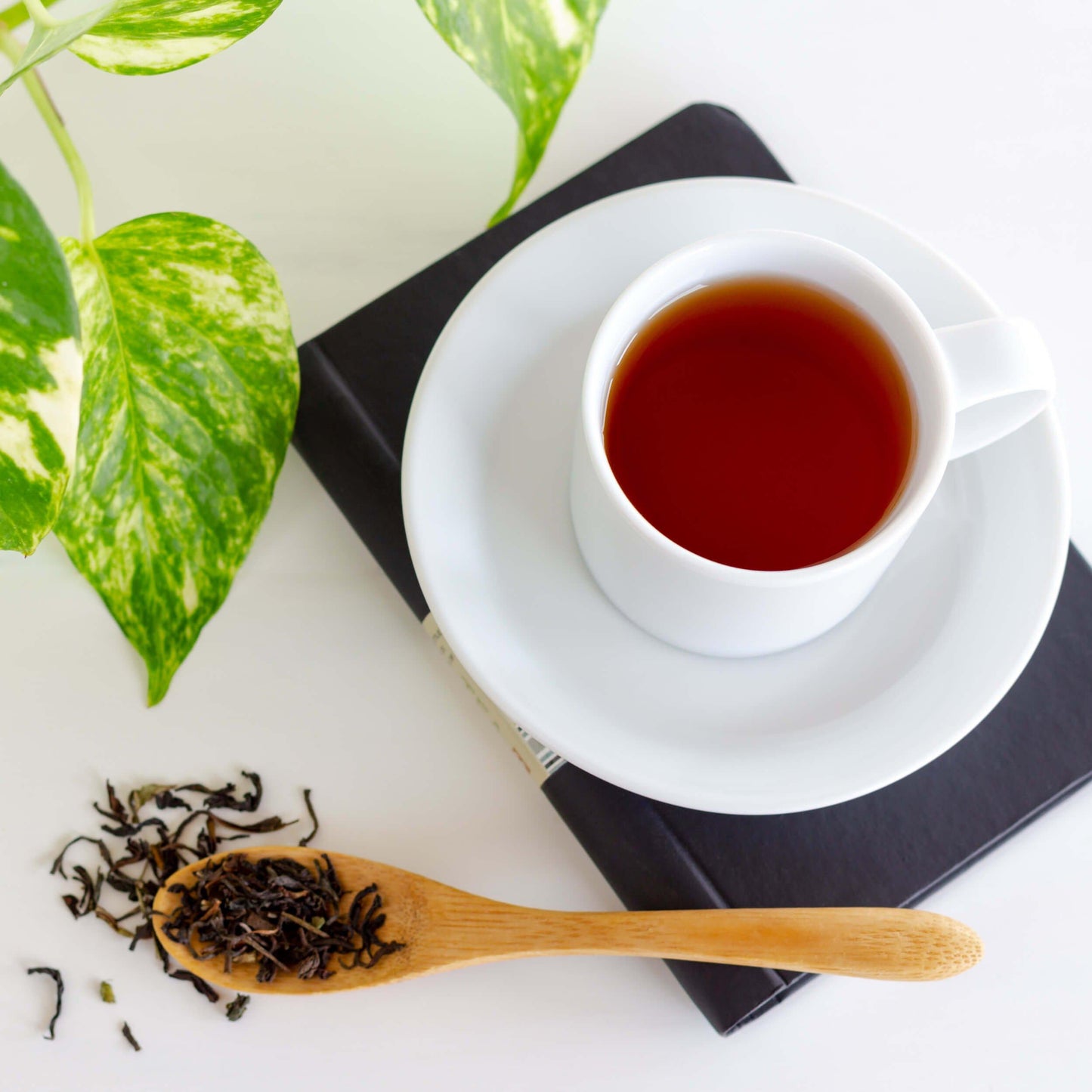
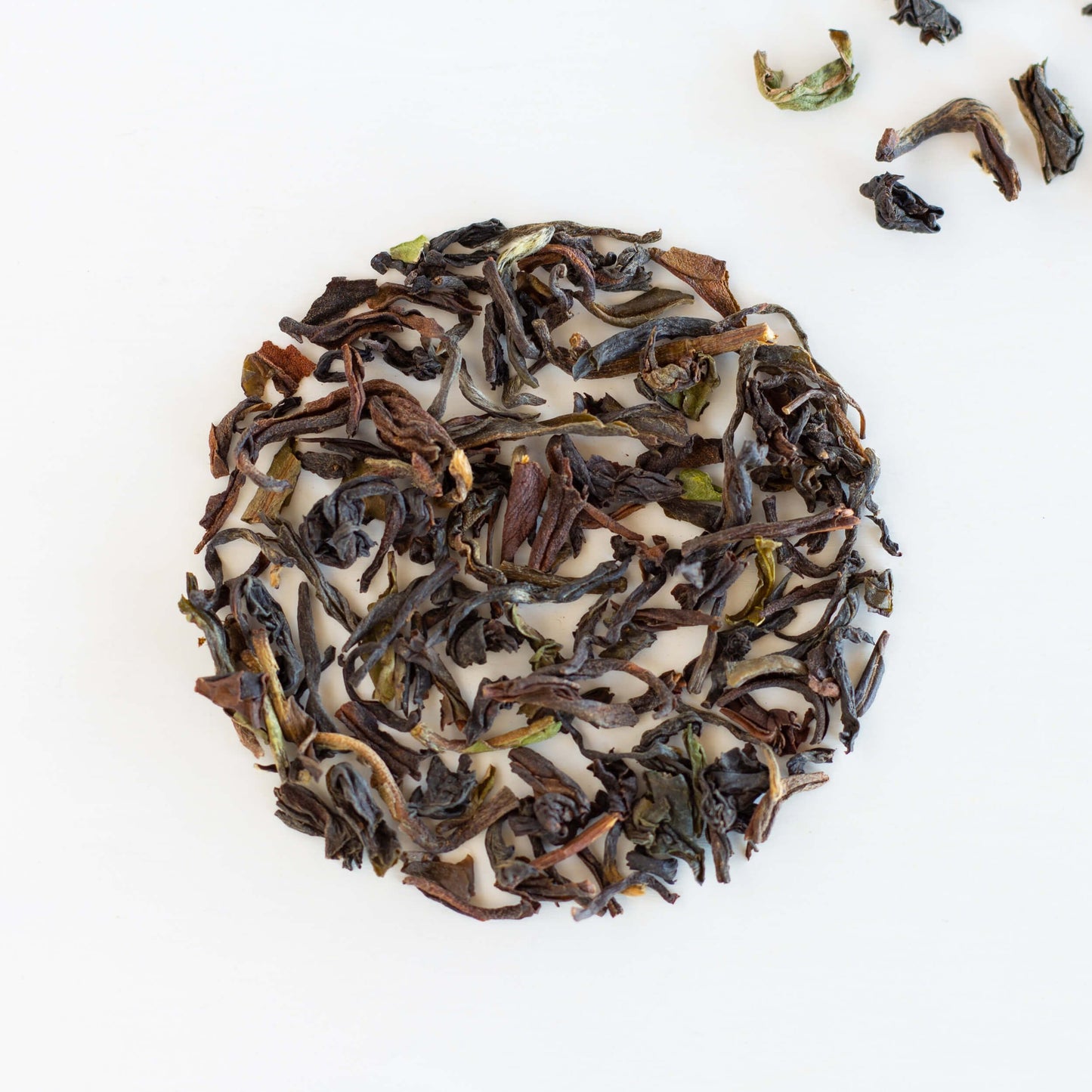
At ArtfulTea, we offer an affordable second flush Darjeeling in the form of our Daily Darjeeling tea. These leaves yield a bright coppery brew with a deliciously nutty flavor and mild astringency. Darjeeling tends to be lighter than other Indian black teas, with a unique taste and character all its own. With a grade of FTGFOP1, this is an extremely high-quality tea at a price point that allows you to drink it daily!
What Does Darjeeling Tea Taste Like?
Darjeeling is fresh and slightly astringent, with a soft mouthfeel, slightly nutty flavor, and floral and muscatel notes.
First Flush vs. Second Flush Darjeeling: What's the Difference?
The main difference between first flush Darjeeling and second flush Darjeeling is when the tea leaves are harvested. First flush Darjeeling is made from the very first tea leaves that that plant producdes in the spring, while second flush Darjeeling is harvested in late spring and early summer.
First flush tends to be lighter and more vegetal, while second flush darjeeling is darker and more full bodied.
Darjeeling Tea Benefits
Darjeeling boosts energy, helps with focus, and is a lower-caffeine alternative to coffee.
Darjeeling Tea Caffeine
Darjeeling contains a moderate amount of caffeine, less than half as much as coffee per cup.
How to Brew Darjeeling Tea
Use 1 level teaspoon per 6 oz. water. Heat water to boiling. Steep for 2 to 3 minutes. For best taste, do not over steep.
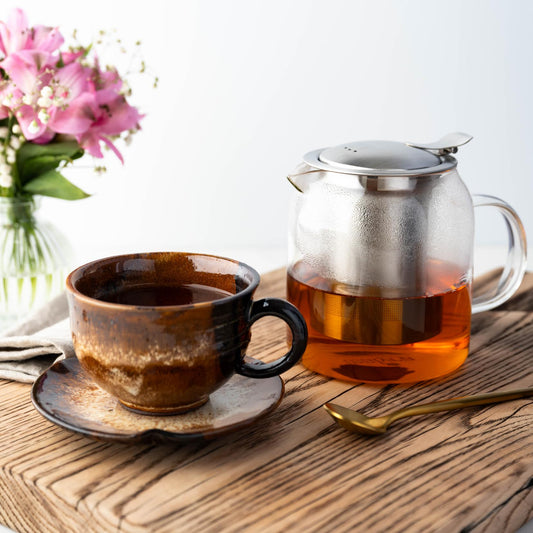
We recommend preparing Daily Darjeeling using a teapot, tea infuser, or tea filter. These brewing methods give the tea leaves enough room to expand as the tea steeps, resulting in a richer, more flavorful cup.